
Our Coordination Approach
We've developed a structured methodology that transforms neighborhood improvement aspirations into coordinated action through transparent processes and inclusive participation frameworks.
Foundation Principles
Our coordination work rests on core principles that guide how we structure community engagement and manage collaborative improvement initiatives.
Inclusive Participation
We design engagement processes that accommodate diverse participation styles and schedules. Our frameworks ensure residents with varying availability, communication preferences, and technical comfort levels can contribute meaningfully to neighborhood planning.
Multiple participation channels—in-person meetings, digital platforms, surveys, and informal conversations—create pathways for all voices to shape improvement priorities and implementation approaches.
Transparent Communication
We maintain open information flows throughout project lifecycles. All stakeholders receive consistent updates about decisions, progress, challenges, and changes. Documentation systems make project history accessible to current and future participants.
Our communication infrastructure includes meeting summaries, decision logs, timeline updates, and resource allocation records that any stakeholder can review at any time.
Shared Ownership
We structure initiatives so communities retain decision-making authority throughout improvement processes. Our role involves facilitating discussions and managing logistics rather than directing outcomes.
This approach builds local capacity as residents develop skills in collaborative planning, project management, and collective decision-making that persist beyond individual initiatives.
Adaptive Implementation
Our frameworks accommodate changing circumstances and emerging insights. Regular check-ins allow communities to adjust plans based on implementation experiences, resource changes, or evolving priorities without abandoning overall improvement goals.
This flexibility prevents rigid adherence to outdated plans while maintaining focus on core community objectives.
Coordination Process Phases
Our methodology structures urban revitalization coordination into distinct phases, each with specific objectives and deliverables that build toward sustainable neighborhood improvement.
Phase 1: Community Assessment
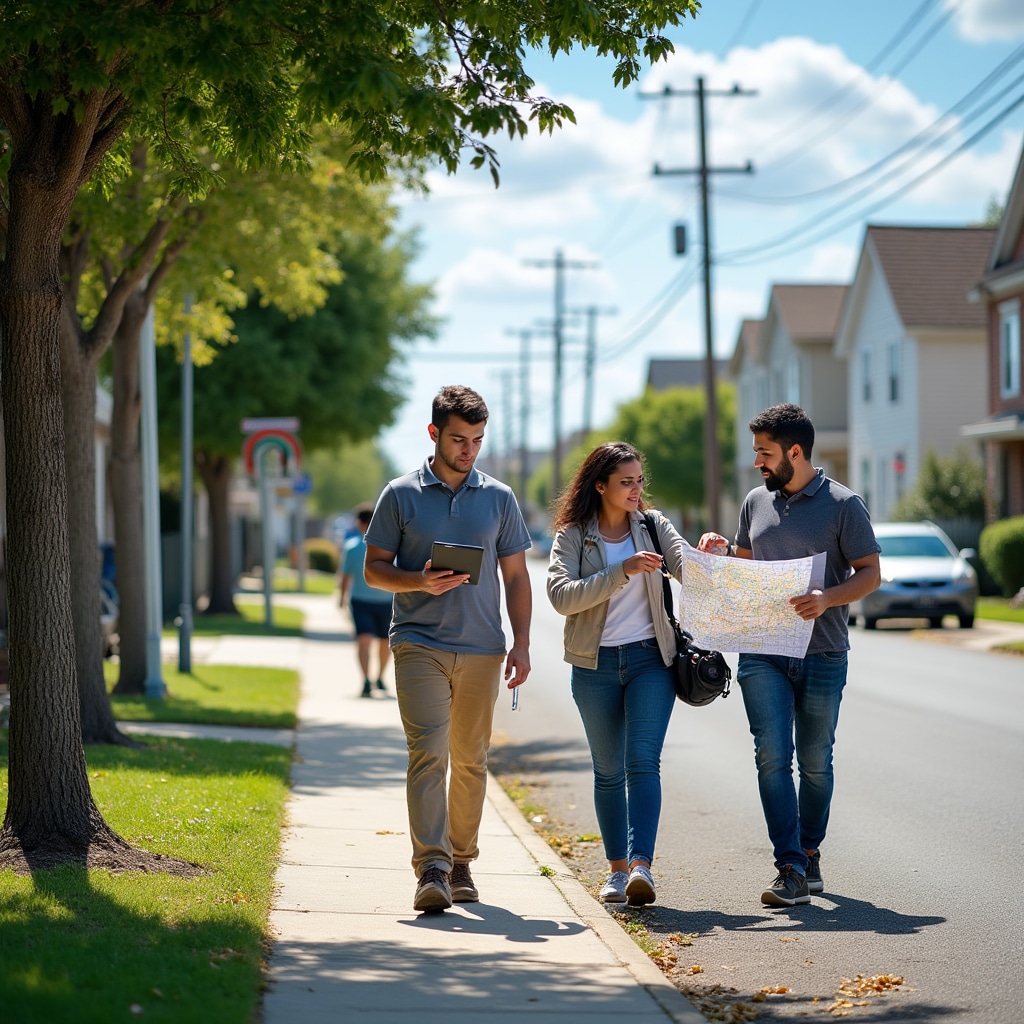
We begin by understanding the neighborhood's current state, stakeholder landscape, and existing improvement efforts. This assessment identifies who should participate, what communication channels will work, and which coordination structures might fit the community's context.
Assessment activities include stakeholder interviews, neighborhood tours, review of previous initiatives, and analysis of existing community organizations and communication patterns.
Phase 2: Vision Development
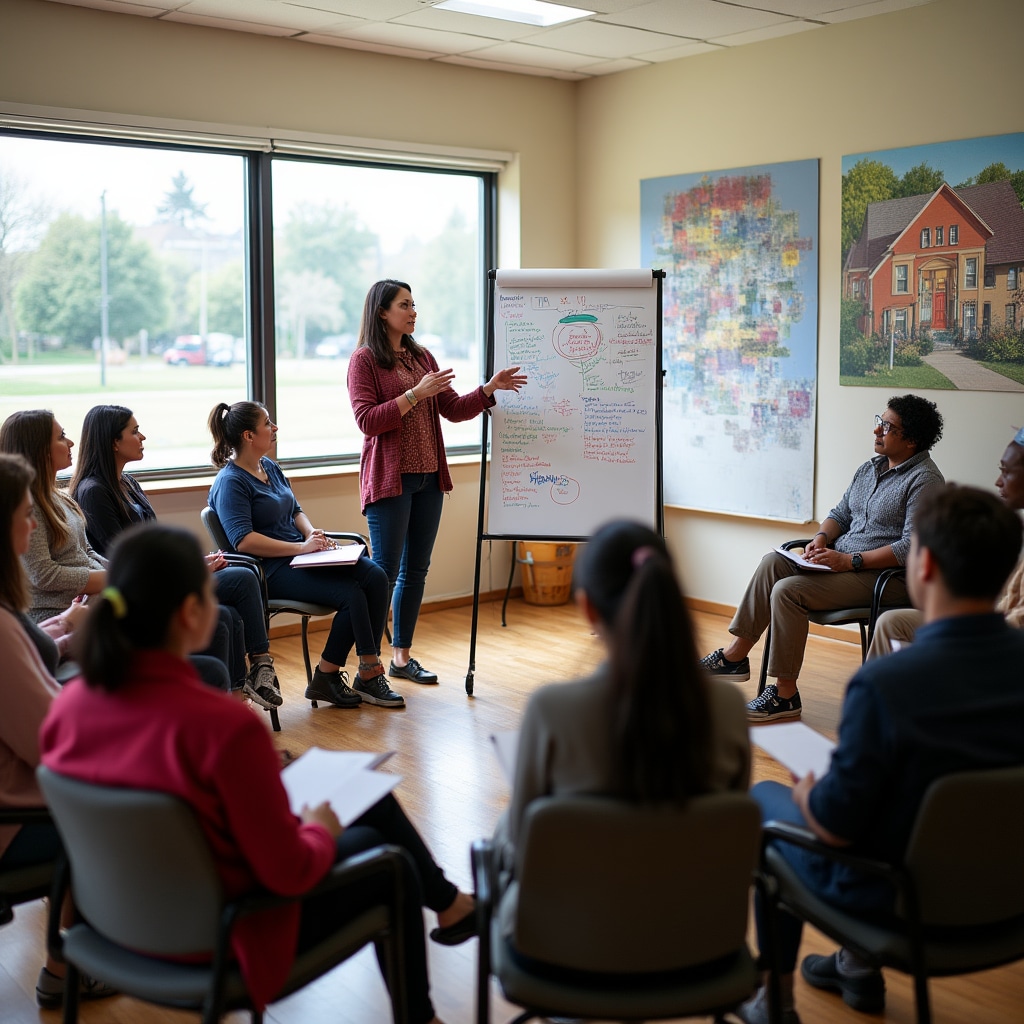
Through facilitated sessions, communities articulate their neighborhood improvement aspirations. We help translate general desires into specific, actionable objectives that reflect collective priorities rather than individual preferences.
Vision development produces a shared understanding of what success looks like, creating alignment that guides subsequent planning and implementation decisions.
Phase 3: Initiative Design
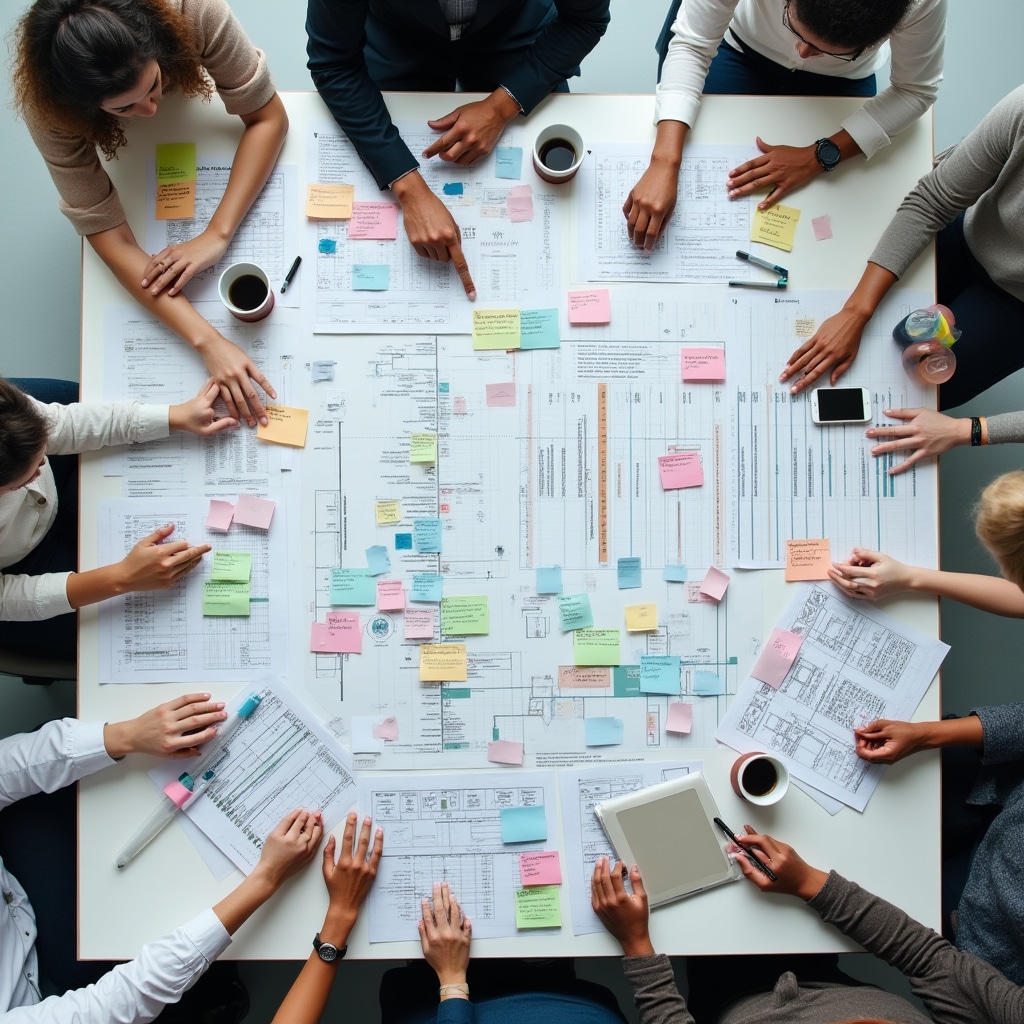
We work with communities to break down broad improvement visions into manageable projects. Each initiative receives clear scope definition, resource requirements, timeline estimates, and responsibility assignments before implementation begins.
This planning phase identifies potential obstacles, establishes success metrics, and creates contingency approaches for likely challenges.
Phase 4: Coordinated Implementation
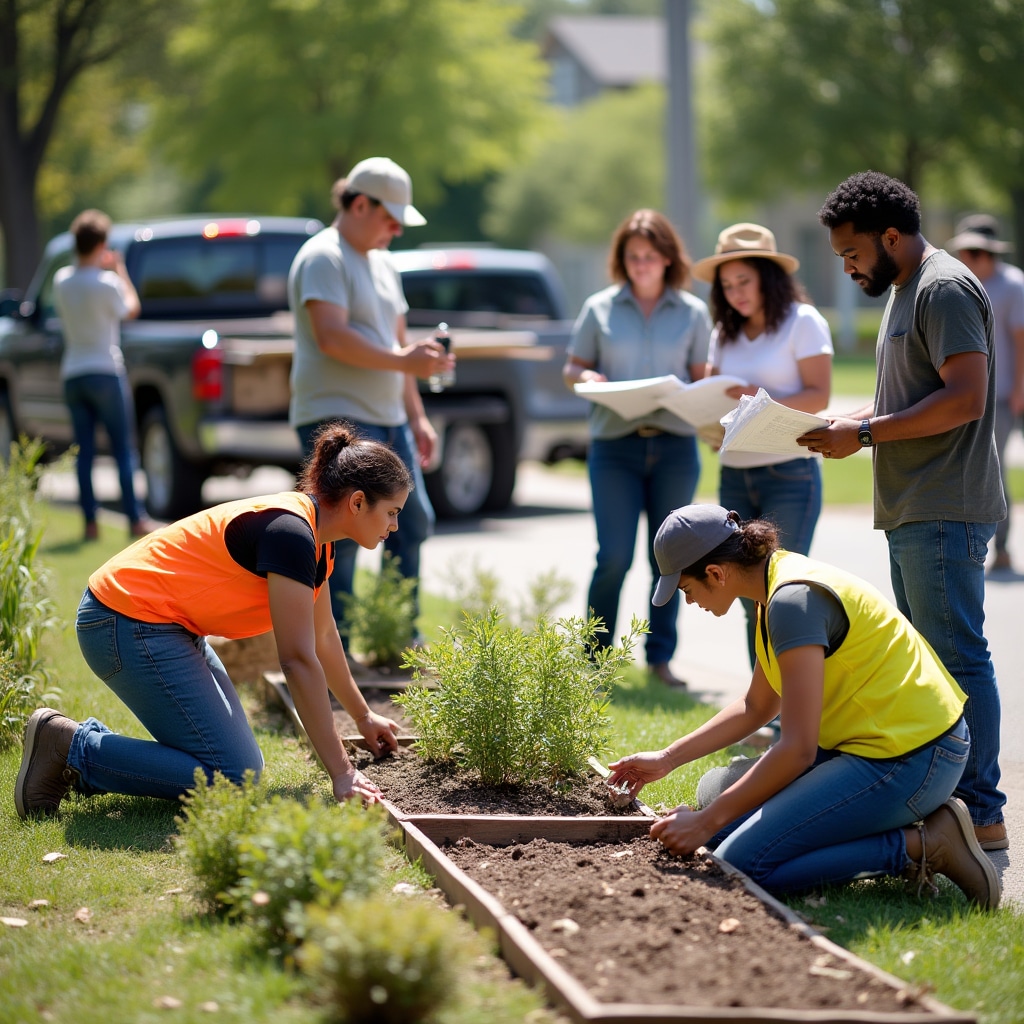
During implementation, our coordination system tracks progress, facilitates problem-solving, and maintains communication across all participants. Regular check-ins address emerging challenges and celebrate milestones.
We document implementation experiences, capturing lessons that inform current adjustments and future initiatives.
Phase 5: Evaluation and Transition
As initiatives complete, we facilitate reflection on outcomes, processes, and lessons learned. This evaluation informs future improvement efforts while documenting the community's growing coordination capacity.
Transition planning ensures ongoing maintenance of improvements and prepares communities to coordinate subsequent initiatives with decreasing external support.

Coordination Tools and Systems
Effective coordination requires appropriate tools that support communication, documentation, and decision-making throughout improvement initiatives.
Project Management Platforms
We utilize collaborative project management systems that track tasks, deadlines, and responsibilities. These platforms provide transparency about who is doing what and when, preventing coordination breakdowns.
Communication Channels
Multiple communication tools accommodate different stakeholder preferences—email lists, messaging groups, online forums, and regular meetings ensure information reaches all participants through their preferred channels.
Document Repositories
Centralized document storage maintains project history, decisions, and resources. Organized archives allow stakeholders to review past discussions and understand how current situations developed.
Scheduling Systems
Shared calendars coordinate meetings, deadlines, and milestones across multiple initiatives and stakeholders. Scheduling tools reduce conflicts and ensure adequate preparation time for important decisions.
Feedback Mechanisms
Structured feedback collection—surveys, comment forms, suggestion systems—gives stakeholders who cannot attend regular meetings ways to contribute input and stay informed about progress.
Progress Dashboards
Visual progress tracking shows initiative status at a glance. Dashboards help communities understand overall advancement, identify areas needing attention, and maintain momentum through visible achievements.
Ready to Apply This Approach?
Our coordination methodology adapts to different neighborhood contexts and improvement goals. Connect with us to discuss how these frameworks might support your community's revitalization initiatives.
Explore Focus Areas
Learn about the specific types of neighborhood improvement initiatives we coordinate and how our approach applies to different project categories.
View Focus AreasDiscuss Your Project
Share your neighborhood improvement vision and we'll explain how our coordination approach could support your community's specific goals.
Contact Us